Easter Egg and Bunny Lineart: A Creative Embroidery Design for Holiday Crafting
Understanding Easter Egg and Bunny Lineart in Embroidery
Embroidery has long been a beloved craft, offering a unique way to add personal flair to fabric items. When it comes to holiday themes, Easter Egg and Bunny Lineart stands out as a popular choice for those looking to infuse their projects with festive charm. This design combines the classic imagery of Easter eggs and bunnies, often presented in line art form, making it versatile for various embroidery techniques.
The Easter Bunny Celebrating the Easter Holiday motif is particularly appealing due to its universal recognition and positive associations with springtime. Whether you're creating decorative pillow covers, aprons, or even custom clothing, this design can bring a touch of whimsy and tradition to your work.
Exploring the Design Elements
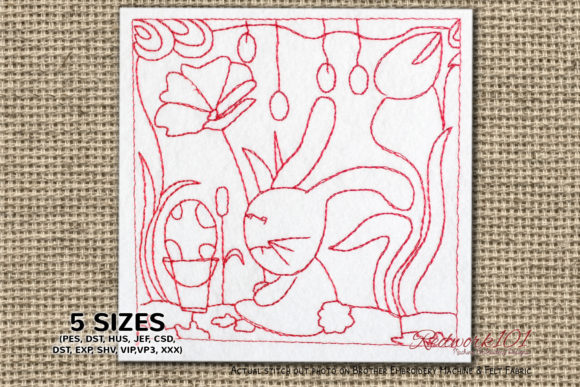
At the core of this design are the Easter Egg and Bunny Lineart elements. The bunny, often depicted in a celebratory pose, may be holding an egg or surrounded by other Easter symbols like flowers or baskets. These details are rendered in clean lines, which makes them ideal for embroidery machines that support line art patterns.
One notable feature of many versions of this design is the inclusion of a Box Stitch, although it's not always necessary. If included, the box stitch adds texture and dimension to the embroidery, enhancing the visual appeal. However, if you prefer a simpler look or your machine doesn't support this stitch type, you can easily skip it without compromising the overall design integrity.
The color of the outer box, when present, is typically different from the rest of the design. This contrast helps highlight the main elements—like the bunny and eggs—making them stand out more clearly on fabric. However, if you're working with a limited palette or prefer a more cohesive look, you can omit the color altogether during the stitching process.
Choosing the Right Embroidery Files
This machine embroidery design comes with multiple file formats, ensuring compatibility with a wide range of embroidery machines. Common formats include .dst, .exp, .jef, and .pes, among others. Having access to these files means you can choose the one that best suits your machine’s requirements, making the setup process straightforward.
When selecting the appropriate file, consider the capabilities of your embroidery machine. Some machines may require specific formats or have limitations regarding stitch density and size. Always double-check the specifications provided with your machine to ensure a smooth embroidery experience.
Practical Benefits of Using This Design
Using Easter Egg and Bunny Lineart in your embroidery projects offers several practical benefits. First, it allows for easy customization. You can adjust the size of the design to fit different fabric sizes or combine it with other motifs to create a unique piece. This flexibility is especially useful for those who want to experiment with different layouts and color schemes.
Second, the simplicity of line art makes it easier to work with, even for beginners. Unlike complex shaded or filled designs, line art requires fewer stitches and less precision, reducing the learning curve associated with embroidery. This makes it an excellent starting point for anyone new to the craft.
Lastly, the versatility of this design means it can be used across a variety of projects. From home décor items like throw pillows and wall hangings to wearable pieces such as t-shirts and tote bags, the possibilities are endless. This adaptability ensures that your creations will be both functional and festive, perfect for any Easter celebration.
Integrating into Modern Workflows
In today's fast-paced world, efficiency is key. The Easter Egg and Bunny Lineart design fits seamlessly into modern workflows by allowing for quick and easy setup. With pre-designed embroidery files, you can jump right into stitching without spending hours on design preparation.
Moreover, the ability to use this design on multiple embroidery machines means that whether you're working on a small project at home or managing a larger production run, you can maintain consistency and quality. This is particularly beneficial for crafters who sell their work online or at local markets, as it ensures that each item maintains a uniform appearance.
For those who enjoy combining traditional crafts with digital tools, this design also opens up opportunities for digital embroidery editing. Many software programs allow you to tweak the design before sending it to your machine, giving you control over every detail—from color choices to stitch types.
Considerations Before Embarking on Your Project
Before diving into your Easter-themed embroidery project, there are a few considerations to keep in mind. First, assess the fabric type you'll be using. Different fabrics absorb stitches differently, so choosing a stable material like cotton or denim can help prevent puckering or distortion.
Next, think about the intended use of your finished piece. If it's meant for frequent use, such as a tote bag or apron, opt for a durable fabric that can withstand wear and tear. On the other hand, if it's purely decorative, you might choose a softer fabric like linen or muslin for a more delicate feel.
Finally, don't forget about the time investment required. While line art is generally quicker to stitch than more intricate designs, the complexity of the Easter Bunny Celebrating the Easter Holiday motif can still take several hours to complete, depending on the size and detail level. Plan accordingly to ensure you have enough time to complete your project without rushing.
By keeping these factors in mind, you'll be well-equipped to create beautiful, high-quality embroidered pieces that capture the spirit of Easter while showcasing your creativity and craftsmanship.