Improvisation Celebrates Shapes in All Their Beauty
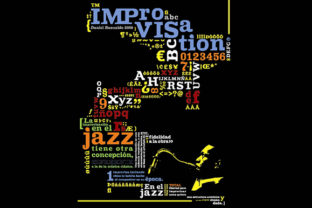
Improvisation is more than just spontaneous creativity—it's a powerful tool that allows individuals to explore, adapt, and innovate in real time. When applied to design, especially with fonts like Improvisation, it becomes a celebration of form, function, and expression. This playfully conceptual decorative font isn't just about aesthetics; it's about how shapes can be used to convey emotion, enhance communication, and make an impact across various contexts.
The Art of Improvisation in Design
In the world of typography, Improvisation stands out as a unique font that embraces irregularity and fluidity. Unlike traditional fonts that follow strict guidelines, this font invites users to experiment with structure, spacing, and visual rhythm. Its ability to reflect the beauty of organic shapes makes it ideal for creative projects that demand a sense of movement and personality.
For designers, illustrators, and content creators, using Improvisation means unlocking new ways to express ideas without being confined by rigid typographic rules. It’s a perfect match for branding, editorial design, or digital interfaces where a touch of whimsy can elevate the user experience.
Why Improvisation Matters for Creatives
Creativity often thrives in the unexpected. Whether you're designing a poster, crafting a website, or developing a marketing campaign, the right font can transform a simple message into a memorable experience. Improvisation brings a fresh perspective by allowing text to flow naturally, much like a conversation.
Consider a small business owner looking to create a logo that feels both professional and playful. Traditional fonts might feel too formal, while overly stylized options could come off as untrustworthy. Improvisation offers a middle ground—its dynamic shapes give the brand a unique identity without sacrificing clarity or professionalism.
Use Cases for Improvisation
- Brand Identity: Use Improvisation to craft logos or taglines that stand out and reflect the company's innovative spirit.
- Marketing Materials: Incorporate this font in brochures, social media posts, or email campaigns to add visual interest and emotional appeal.
- Web Design: Apply Improvisation to headings, buttons, or call-to-action elements to guide user attention and improve engagement.
- Editorial Content: Use it in magazines, blogs, or newsletters to break up text and highlight key points in a visually engaging way.
Each of these scenarios benefits from the flexibility and charm of Improvisation. It’s not just a font—it's a design philosophy that encourages experimentation and originality.
How Improvisation Supports Communication
Effective communication relies on more than just words—it depends on how those words are presented. Improvisation helps bridge the gap between form and function by making text more expressive and relatable. Its playful yet elegant style can evoke curiosity, warmth, or excitement, depending on the context.
Take, for example, an educator creating a presentation on art history. Using Improvisation for titles or captions can make the content feel more approachable and engaging for students. Similarly, a blogger writing about lifestyle topics can use this font to add personality to their posts and build a stronger connection with readers.
Even in professional settings, Improvisation can be a valuable asset. A corporate team working on a product launch might use it for promotional materials to inject some creativity into otherwise standard content. The result? A campaign that feels fresh, human, and more likely to resonate with the target audience.
Who Can Benefit Most from Improvisation?
Improvisation is particularly well-suited for professionals who value both creativity and clarity. Entrepreneurs, marketers, and designers will find it useful for building a distinctive brand presence. Educators and content creators can use it to make learning and storytelling more engaging. Small business owners and freelancers can leverage its versatility to stand out in competitive markets.
However, it's important to note that Improvisation may not be the best choice for every project. For instance, in technical documentation or legal texts, readability is paramount, and a more structured font would be more appropriate. Always consider the context, audience, and purpose before selecting a font.
That said, when used thoughtfully, Improvisation can be a game-changer. It allows users to express their vision with confidence, knowing that the font supports both aesthetic and functional goals.
Maximizing the Value of Improvisation
To get the most out of Improvisation, start by experimenting with different layouts and pairings. Try combining it with simpler sans-serif or serif fonts to create contrast and balance. Pay attention to spacing, alignment, and color to ensure the text remains legible and visually appealing.
Another tip is to use Improvisation sparingly. While its uniqueness is a strength, overusing it can lead to visual clutter. Reserve it for headlines, accents, or key messages where its impact will be most effective.
Finally, don’t be afraid to think outside the box. Improvisation is all about breaking free from conventional norms, so let your imagination guide you. Whether you're designing a logo, crafting a website, or preparing a presentation, this font can help you create something truly special.
By embracing the spirit of improvisation in your work, you open the door to new possibilities and creative solutions. And with Improvisation as your tool, you’ll have the power to turn ordinary text into extraordinary design.