Laurence Monogram: A Strategic Tool for Creative Communication and Branding
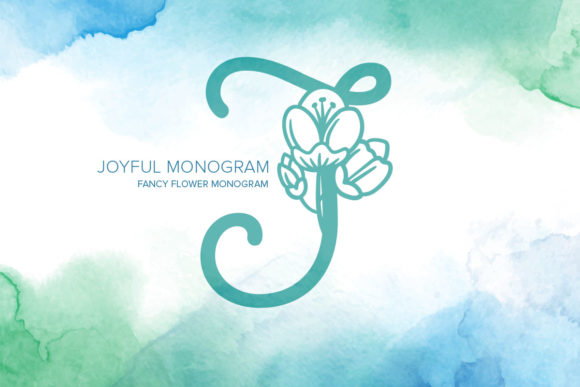
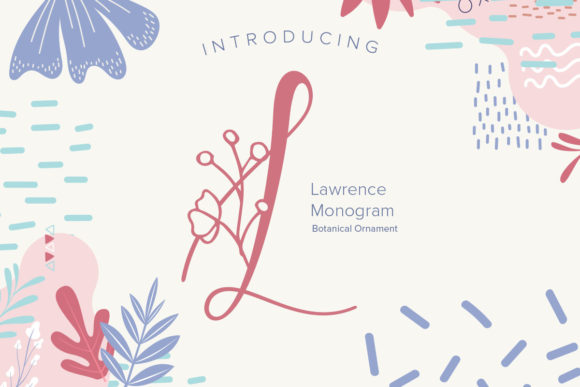
Laurence Monogram is more than just a font—it's a design element that can elevate the visual impact of your communication. This sweet decorative font, featuring a lovely flower ornament, offers a unique blend of elegance and charm that can be strategically used across various creative projects. Whether you're designing wedding invitations, crafting beautiful stationary art, or creating eye-catching social media posts, Laurence Monogram can help you achieve a cohesive and aesthetically pleasing result.
Understanding the Strategic Value of Laurence Monogram
Laurence Monogram is not merely an ornamental choice; it is a strategic decision in design. The font's authentic feel makes it particularly effective for branding efforts that aim to convey warmth, creativity, and personal touch. Its use can significantly influence how your audience perceives your brand, especially in niches where emotional connection and aesthetic appeal are paramount.
For entrepreneurs and small business owners, the thoughtful use of Laurence Monogram can enhance the overall look of marketing materials, from business cards to promotional flyers. It helps establish a distinct identity that stands out in a crowded market. When used with intention, this font can become a signature element of your brand's visual language.
When to Use Laurence Monogram
Consider using Laurence Monogram in scenarios where you want to evoke a sense of romance, nostalgia, or artistic flair. It is especially well-suited for:
- Wedding Invitations: The delicate floral accents complement the romantic theme of weddings, making it an ideal choice for personalized stationery.
- Social Media Posts: With its eye-catching design, Laurence Monogram can draw attention to your content, increasing engagement and visibility.
- Greeting Cards: The font adds a charming touch to holiday or birthday cards, enhancing their emotional impact.
- Stationary Art: Artists and designers can use this font to create visually appealing artwork that resonates with a wide audience.
Strategic Planning with Laurence Monogram
Before incorporating Laurence Monogram into your design projects, consider your goals and the context in which the font will be used. Ask yourself:
- What message do I want to convey through my design?
- Who is my target audience, and what aesthetic preferences do they have?
- How does this font align with my brand's identity and values?
These questions will guide you in making informed decisions about when and how to use Laurence Monogram effectively. For instance, if your brand is modern and minimalist, pairing Laurence Monogram with simpler fonts might create a balanced visual hierarchy.
Practical Examples of Laurence Monogram in Action
Imagine you are launching a new line of handmade greeting cards. By using Laurence Monogram as the primary font for titles and headings, you can immediately communicate the artisanal and heartfelt nature of your product. Pairing it with clean, sans-serif fonts for body text ensures readability while maintaining an elegant aesthetic.
Another example could be a boutique wedding planner who wants to create a cohesive brand image. Using Laurence Monogram on all client communications—from emails to printed materials—can reinforce a consistent and memorable brand presence.
Risks of Using Laurence Monogram Without Clear Strategy
While Laurence Monogram is visually appealing, it is important to avoid using it indiscriminately. Overuse or misuse can lead to cluttered designs that may confuse your audience or dilute your brand message. Additionally, if the font does not align with your brand's tone or purpose, it can create a disconnect between your intended message and how it is perceived.
For instance, using Laurence Monogram in a professional business report would likely be inappropriate, as it could undermine the seriousness and professionalism of the document. Always ensure that the font you choose reflects the appropriate tone and context for your communication.
Guidance for Intentional Use of Laurence Monogram
To use Laurence Monogram intentionally, start by defining your communication goals. Are you aiming to inspire, inform, entertain, or persuade? Once you have clarity on your objectives, select design elements that support those goals. Here are some tips for intentional use:
- Balance: Combine Laurence Monogram with other fonts to maintain visual balance and readability.
- Consistency: Use the font consistently across all communication channels to build brand recognition.
- Context: Ensure that the font fits the context and audience of your communication.
- Testing: Test different variations of the font in real-world scenarios to see how it performs.
Long-Term Benefits of Strategic Font Usage
Investing time in selecting the right font, such as Laurence Monogram, can yield long-term benefits for your brand. A well-chosen font contributes to brand consistency, enhances customer experience, and supports your overall marketing strategy. It can also increase the perceived value of your products or services, leading to better engagement and loyalty.
For educators and content creators, using Laurence Monogram in presentations or educational materials can make learning more engaging and visually appealing. Similarly, freelancers and bloggers can leverage this font to create content that stands out in a competitive digital landscape.
Final Thoughts on Laurence Monogram
In conclusion, Laurence Monogram is a versatile and strategically valuable font that can enhance your creative projects when used thoughtfully. Its unique characteristics make it ideal for a variety of applications, from wedding invitations to social media content. However, it is essential to approach its use with clear goals and a deep understanding of your audience and brand identity.
By making intentional choices about when and how to use Laurence Monogram, you can create compelling designs that resonate with your audience and support your long-term objectives. Remember, the key to successful design lies in aligning every element—including typography—with your overall brand strategy and communication goals.