Linger Font: A Playful Choice for Romantic Designs
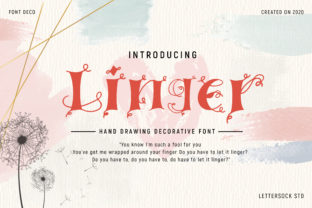
Linger is a decorative font that combines a delicate, thin style with playful botanical elements. Designed to evoke a sense of charm and whimsy, it is particularly well-suited for projects centered around themes of love and celebration. Whether you're crafting a Valentine's Day card or designing wedding materials, Linger offers a unique visual flair that can elevate your work.
What Is Linger?
Linger is a typeface characterized by its slender strokes and intricate details. The font features subtle botanical motifs such as leaves, flowers, and vines, which are integrated into the letterforms without overwhelming the text. This blend of elegance and playfulness makes it ideal for creative projects that require both readability and aesthetic appeal.
The font’s design is reminiscent of hand-drawn illustrations, giving it a personal and artisanal feel. While it is primarily intended for decorative use, Linger maintains enough clarity to be legible in most contexts, especially when used appropriately in size and spacing.
Why You Might Be Interested in Linger
If you're working on a project that requires a romantic or nature-inspired theme, Linger could be an appealing choice. Its botanical elements add a touch of organic beauty, making it perfect for designs that aim to convey warmth, affection, or celebration.
Designers who value creativity and individuality may find Linger to be a refreshing alternative to more conventional fonts. It allows for a unique expression of style that can set a project apart from others.
Considerations Before Choosing Linger
While Linger has many strengths, it is important to consider its limitations. Because it is a decorative font, it may not be suitable for all types of content. For example, it might not be the best choice for body text in long-form documents where readability is crucial.
Additionally, the font’s thin strokes and intricate details may not render well at very small sizes or on low-resolution screens. Users should test the font in different environments to ensure it meets their needs.
Situations Where Linger Is a Strong Fit
Linger shines in situations where a whimsical and romantic aesthetic is desired. It is particularly effective for:
- Valentine's Day Projects: From cards to social media posts, Linger adds a charming touch that aligns perfectly with the spirit of the occasion.
- Wedding Materials: Invitations, thank-you notes, and other wedding-related items benefit from the font’s elegant yet playful nature.
- Stationery and Greeting Cards: The font’s decorative quality enhances the personal feel of handwritten or printed messages.
- Branding for Lifestyle Brands: Companies that focus on wellness, gardening, or natural living may find Linger to be a fitting addition to their visual identity.
When Alternatives May Be Worth Considering
In some cases, other fonts may be more appropriate depending on the project's requirements. If the primary goal is to communicate information clearly, a sans-serif or serif font with better legibility may be a better choice.
For projects requiring a more modern or minimalist look, a simpler font without ornamental elements would likely serve better. Similarly, if the design needs to maintain a professional tone, a more traditional font might be preferable.
Practical Insights for Decision-Making
Before deciding to use Linger, ask yourself the following questions:
- Is the primary purpose of the design to convey information or to create an emotional impact?
- Will the font be used for short text or extended reading?
- Does the overall design theme align with the whimsical and botanical style of Linger?
- Have I tested the font across different devices and screen sizes to ensure it remains readable?
Answering these questions can help determine whether Linger is the right choice for your specific needs. It is also wise to consider how the font will interact with other design elements, such as colors, images, and layout.
Ultimately, Linger is a versatile font that can enhance a wide range of creative projects. However, like any design tool, it should be selected based on the context and goals of the work. By carefully evaluating its strengths and limitations, designers can make informed decisions that lead to successful outcomes.