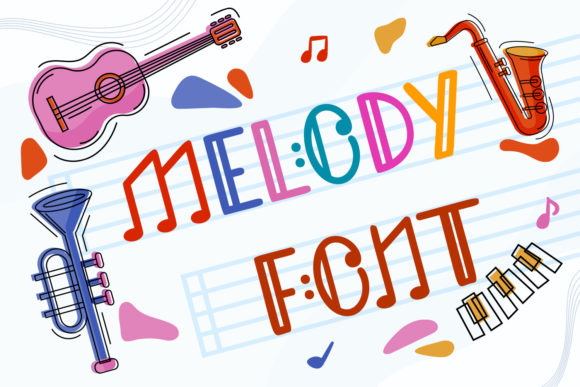
Melody: A Decorative Font with Urban Artistic Flair for Strategic Design
Melody is a decorative font that captures the essence of musical notes and infuses them with an urban artistic vibe. This playful yet sophisticated typeface is designed to evoke creativity, rhythm, and visual interest in any design project. Whether you're crafting branding materials, designing event invitations, or developing digital content, Melody offers a unique way to communicate your message with style and personality.
As a designer, marketer, or creative professional, you understand the importance of typography in shaping perceptions and engaging audiences. Melody can be a strategic tool when used thoughtfully, helping to reinforce brand identity, enhance visual storytelling, and create memorable experiences for users.
Why Melody Is a Strategic Choice for Creative Projects
The use of Melody is not just about aesthetics—it's about aligning your visual choices with your goals. This font is particularly well-suited for projects that benefit from a jazzy, dynamic feel. Its structure mimics the fluidity of musical notes, making it ideal for music-related themes, entertainment industries, or any brand looking to convey energy and innovation.
Consider using Melody for:
- Music festival posters or promotional materials
- Jazz club branding or signage
- Album covers or music streaming visuals
- Event tickets or concert programs
- Creative blog headers or website banners
By integrating Melody into these contexts, you're not only enhancing the visual appeal but also reinforcing the thematic elements of your project. This alignment can improve user engagement, brand recall, and overall effectiveness of your communication.
Strategic Use of Melody in Branding and Communication
Incorporating Melody into your branding strategy requires careful consideration. It's important to assess whether this font supports your brand's tone, values, and audience expectations. While its playful nature can be a great asset for certain brands, it may not be appropriate for more formal or professional settings.
For instance, a boutique jazz café might find Melody perfectly aligned with its brand identity, while a financial institution would likely need a more conservative and readable font. Understanding the context and audience is key to ensuring that your choice of typography enhances rather than detracts from your message.
When planning your design, consider how Melody will interact with other visual elements such as color schemes, imagery, and layout. The contrast between the bold, expressive lines of Melody and more subdued background elements can create a striking focal point that draws attention and reinforces your brand's uniqueness.
Planning Tips for Using Melody Effectively
To make the most of Melody, start by defining your objectives. Are you aiming to attract younger, trend-conscious audiences? Or do you want to communicate a sense of sophistication and originality? Clarifying your goals will help guide your font selection and ensure that every design decision contributes to your overall strategy.
Here are some practical steps to follow:
- Define your brand voice: Determine if Melody's playful and artistic nature matches your brand's personality.
- Analyze your audience: Consider whether your target demographic would respond positively to the style and energy of Melody.
- Evaluate readability: Ensure that Melody remains legible even at smaller sizes or in less optimal viewing conditions.
- Test in context: Experiment with Melody in different layouts and combinations to see how it performs across various platforms and mediums.
- Balance with complementary fonts: Pair Melody with more traditional fonts for body text to maintain clarity and hierarchy in your design.
These steps can help you avoid common pitfalls such as overusing the font or applying it in situations where it doesn't add value. A thoughtful approach ensures that your typography supports your communication goals without overshadowing your content.
Possible Risks and Considerations
While Melody can be a powerful design element, there are risks associated with its use if not applied with intention. One of the main concerns is overuse or misuse, which can lead to a cluttered or unprofessional appearance. Additionally, if Melody is used in contexts where it doesn't align with your brand's identity, it could confuse your audience or dilute your messaging.
Another risk is reduced readability. While Melody is visually appealing, its decorative nature can make it difficult to read in long passages of text. For this reason, it's best reserved for headings, logos, or short bursts of text rather than extended body copy.
To mitigate these risks, always test Melody in real-world scenarios. Check how it appears on different devices, screen sizes, and print formats. Also, seek feedback from others to ensure that your use of the font is effective and consistent with your intended message.
Intentional Use of Melody for Long-Term Value
When used intentionally, Melody can contribute to long-term brand recognition and customer loyalty. By consistently applying this font across your marketing materials, websites, and social media presence, you can create a cohesive visual identity that resonates with your audience.
Think of Melody as part of your brand's visual language. Just as a logo or color palette communicates your brand's values, so too does your choice of typography. By selecting Melody strategically, you're investing in a design element that can strengthen your brand's presence and differentiate you from competitors.
Moreover, Melody's unique aesthetic can set your content apart in crowded markets. In a world where visual noise is constant, standing out with a distinctive and meaningful design choice can have a significant impact on how your brand is perceived and remembered.
Final Thoughts on Melody and Strategic Design
Melody is more than just a decorative font—it's a strategic design choice that can elevate your creative work and support your business objectives. When used with purpose, it can enhance your brand's visual identity, engage your audience, and reinforce your message in a memorable way.
Whether you're launching a new product, redesigning your website, or creating promotional materials, take the time to evaluate how Melody fits into your overall strategy. By aligning your typography with your goals and audience, you'll be better positioned to achieve the results you're seeking and build a stronger connection with your customers.