Sttalline: A Casual and Friendly Font for Creative Projects
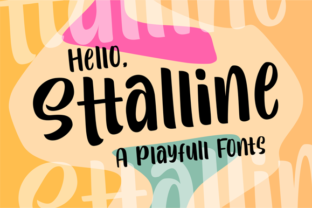
Sttalline is a decorative font that stands out for its casual, approachable style and friendly feel. Designed with simplicity and charm in mind, it's well-suited for a variety of creative applications. Whether you're working on social media content, personal projects, or even calligraphy, Sttalline offers a unique aesthetic that can enhance your visual communication.
What Is Sttalline?
Sttalline is a decorative typeface characterized by its soft curves, rounded edges, and gentle stroke variations. It belongs to the category of casual fonts, which are often used when a more relaxed and personable tone is desired. Unlike traditional serif or sans-serif fonts, Sttalline has a more hand-drawn appearance, making it ideal for situations where a touch of informality is appropriate.
This font is particularly popular among designers and creatives who want to add a personal touch to their work without compromising readability. Its design is reminiscent of cursive writing but with a cleaner, more structured look that maintains legibility across different sizes and mediums.
Why You Might Be Interested in Sttalline
If you're looking for a font that feels warm and inviting, Sttalline could be an excellent choice. Its casual nature makes it suitable for a wide range of uses, including:
- Social media content: Fonts like Sttalline can make text stand out on platforms such as Instagram, where visual appeal plays a significant role.
- DIY projects: From handmade cards to custom invitations, Sttalline adds a personal flair that complements creative crafts.
- Calligraphy scripts: While not a true calligraphy font, Sttalline mimics the flow and elegance of handwritten script, making it a good option for those interested in this style.
- Personal branding: The friendly and approachable feel of Sttalline can help create a more relatable brand identity.
These features make Sttalline a versatile tool for anyone looking to add character to their designs without sacrificing clarity.
Benefits of Using Sttalline
The primary benefit of using Sttalline is its ability to convey a sense of warmth and friendliness through typography. This can be especially useful in marketing materials, greeting cards, or any project where the goal is to build a connection with the audience.
Additionally, Sttalline is relatively easy to read despite its decorative nature, which means it can be used effectively in both digital and print formats. Its clean lines and balanced proportions ensure that text remains legible even at smaller sizes.
Another advantage is its compatibility with various design tools and platforms. Many graphic design software programs support Sttalline, making it accessible to both beginners and professionals alike.
Tradeoffs and Considerations
While Sttalline has many strengths, there are also some limitations to consider. Because it is a decorative font, it may not be the best choice for large blocks of text. Long paragraphs in Sttalline can become difficult to read, especially if the font size is small.
Additionally, while Sttalline has a friendly and casual feel, this may not align with every brand's voice or message. For example, businesses that aim to appear professional or authoritative may find that Sttalline does not fit their overall aesthetic.
There is also the consideration of licensing. Depending on how you plan to use Sttalline, you may need to purchase a commercial license to ensure compliance with copyright laws. Always check the font's licensing terms before using it for public or commercial purposes.
When Sttalline Is a Strong Fit
Sttalline works best in scenarios where a friendly, approachable tone is desired. This includes:
- Instagram posts and stories: The font's visual appeal makes it perfect for captions, quotes, and other text-based content.
- Handmade greeting cards: Its casual style complements the personal touch of handwritten messages.
- Personalized gifts: Sttalline can be used to create custom labels, tags, or engravings that feel more unique and thoughtful.
- Blog headers or titles: When used sparingly, Sttalline can add visual interest to headings without overwhelming the reader.
In these contexts, Sttalline's friendly and artistic qualities shine through, making it a great addition to any creative project.
When Alternatives May Be Worth Considering
While Sttalline is a great choice for certain applications, there are times when other fonts may be more appropriate. For instance, if you're designing a website or a document that requires extensive body text, a more standard font like Arial or Helvetica would be better suited for readability.
If your project requires a more formal or elegant look, you might consider alternatives such as Garamond or Baskerville, which offer a classic and sophisticated appearance. Similarly, for a more modern or minimalist design, sans-serif fonts like Lato or Montserrat could be more effective.
Ultimately, the right font depends on the specific needs of your project. Sttalline should be considered in relation to the overall design goals, target audience, and intended use.
Practical Insights for Choosing Sttalline
Before deciding to use Sttalline, consider the following questions:
- Is the tone of my project friendly and approachable? If so, Sttalline may be a good fit.
- Will I be using this font for short text or long passages? Keep in mind that it may not be ideal for extended reading.
- Does my design require a unique or artistic touch? Sttalline can add personality to your visuals.
- Am I aware of the licensing requirements? Ensure that I have the proper rights to use the font for my intended purpose.
By evaluating these factors, you can determine whether Sttalline aligns with your creative vision and practical needs.
In conclusion, Sttalline is a versatile and appealing font that can enhance a wide range of creative projects. Its friendly and casual style makes it ideal for social media, DIY crafts, and other applications where a personal touch is valued. However, it's important to consider its limitations and ensure that it fits within the broader context of your design goals.