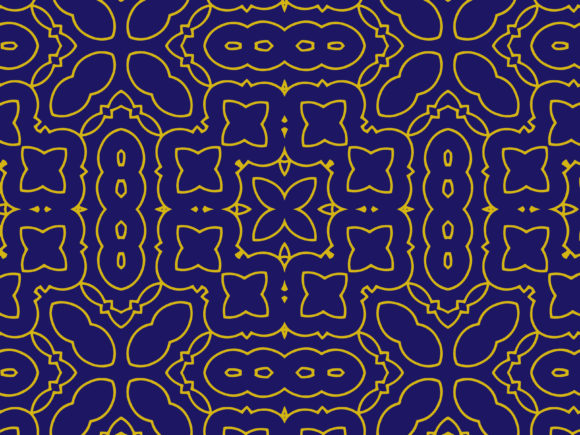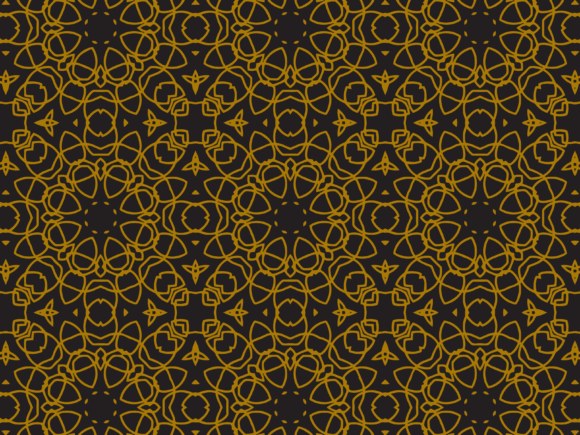
Pattern Irregular Abstract Ornaments: A Modern Twist on Decorative Design
In the ever-evolving world of design, Pattern Irregular Abstract Ornaments have emerged as a unique and captivating element that bridges traditional aesthetics with contemporary creativity. These ornamental patterns are not bound by strict symmetry or repetition, making them ideal for those seeking something unconventional yet visually appealing. Whether you're designing a website, creating print materials, or enhancing interior spaces, these abstract designs offer versatility and artistic flair.
The Essence of Pattern Irregular Abstract Ornaments
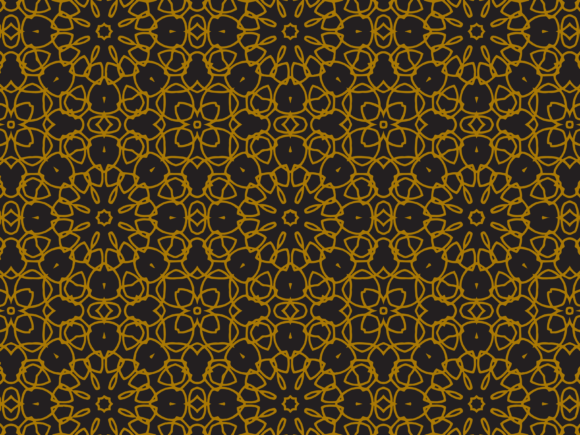
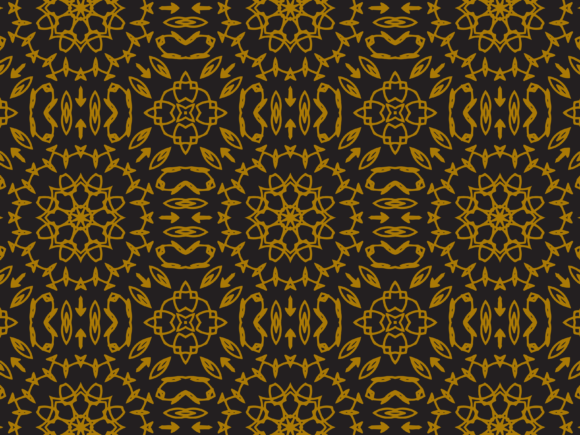
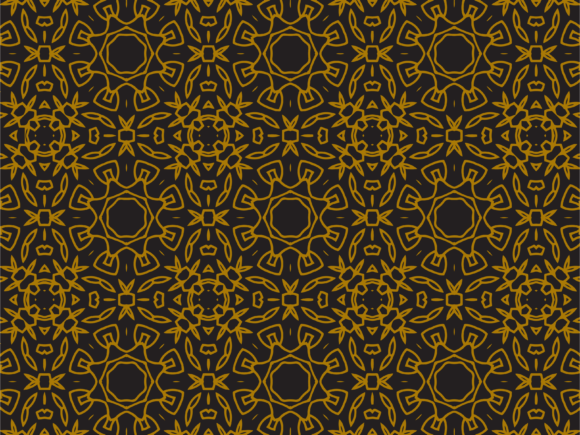
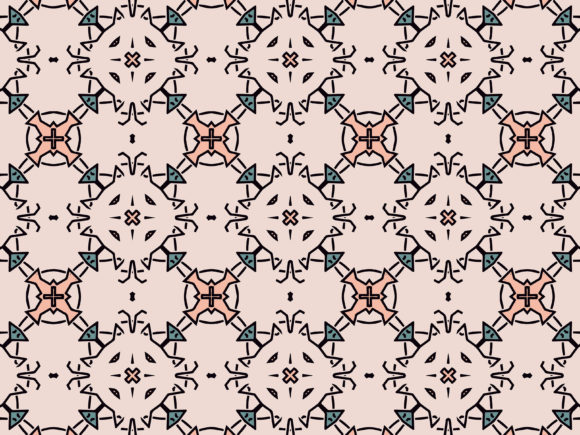
Pattern Irregular Abstract Ornaments are characterized by their asymmetrical, non-repeating structures. Unlike conventional geometric patterns, they embrace randomness and fluidity, allowing for a more dynamic visual experience. These ornaments often incorporate elements like gold, glitter, shiny textures, and geometric shapes to create a luxurious and modern feel.
What makes them stand out is their ability to blend vintage charm with modern sensibilities. This fusion appeals to a wide range of audiences, from fashion designers to interior decorators, and even digital artists looking to add depth to their work.
Key Features and Characteristics
- Irregularity: These patterns avoid rigid repetition, offering a sense of movement and spontaneity.
- Abstract Elements: They often feature abstract shapes and forms that evoke emotion and imagination.
- Luxurious Finish: The use of golden accents, foil effects, and shiny textures gives them a high-end appearance.
- Seamless Integration: Many Pattern Irregular Abstract Ornaments are designed to be seamless, making them perfect for wallpaper, backdrops, and textile applications.
Applications Across Various Industries
The versatility of Pattern Irregular Abstract Ornaments allows them to be used in multiple industries and contexts. Here are some real-world scenarios where these patterns shine:
- Interior Design: As decorative elements, they can be applied to wrapping paper, tile designs, or even fabric patterns to add a touch of luxury and uniqueness.
- Digital Media: In web design, they serve as backgrounds, banners, or illustrations, enhancing the visual appeal of websites, invitations, and covers.
- Fashion Industry: Their ornate nature makes them suitable for textile prints, metallic embellishments, and retro-inspired fashion pieces.
- Print Materials: Cards, posters, and templates benefit from the trendy and creative look of these patterns, especially when combined with black, white, or gold color schemes.
Who Benefits from Using These Patterns?
Pattern Irregular Abstract Ornaments cater to a diverse group of users, including:
- Business Owners: Looking to enhance branding through eye-catching design elements.
- Professionals: Such as graphic designers and art directors who need versatile assets for various projects.
- Creators: Including artists and crafters who appreciate the creative freedom these patterns provide.
- General Consumers: Seeking unique decoration options for home or personal use.
Evaluating Suitability for Different Projects
While Pattern Irregular Abstract Ornaments offer immense potential, it's essential to evaluate their suitability for specific projects. Consider the following factors:
- Project Purpose: Are you aiming for a luxury look, a simple aesthetic, or something ornate? The complexity of the pattern should align with your goals.
- Color Scheme: These patterns often include gold, black, white, and shiny elements. Ensure these colors complement your existing palette.
- Application Medium: Some patterns may be better suited for digital use, while others are ideal for print or textile applications.
- Scale and Resolution: If using for vector graphics or seamless backgrounds, ensure the pattern maintains quality at different sizes.
By considering these aspects, you can determine whether Pattern Irregular Abstract Ornaments are the right choice for your project.
Limitations and Practical Expectations
Despite their many advantages, there are a few limitations to keep in mind:
- Complexity: The irregular nature of these patterns may be overwhelming in certain contexts, requiring careful balance with other design elements.
- Compatibility: Not all software or platforms may support advanced vector formats or seamless tiling features.
- Customization: While many templates are available, achieving a truly custom design may require additional creative effort or professional assistance.
Understanding these limitations helps set realistic expectations and ensures that the final outcome meets your needs.
Real-World Examples and Scenarios
Here are a few examples of how Pattern Irregular Abstract Ornaments can be used in practice:
- Wedding Invitations: A gold and white abstract pattern can give an elegant and luxurious feel to event invitations and cards.
- Website Backgrounds: Incorporating seamless abstract patterns into web design can elevate the user experience and make the site stand out.
- Home Decor: Using patterned fabrics or wallpaper with irregular ornaments adds a creative and modern touch to living spaces.
- Product Packaging: Trendy and creative packaging featuring abstract patterns can attract attention and convey brand personality effectively.
These examples highlight the broad applicability of Pattern Irregular Abstract Ornaments across various domains.
Conclusion: Embrace the Beauty of Irregularity
Pattern Irregular Abstract Ornaments represent a bold and innovative approach to design. By embracing asymmetry, abstraction, and luxury, they offer a fresh perspective on decoration, illustration, and graphic design. Whether you're a professional or a consumer, exploring these patterns can unlock new creative possibilities and enhance your projects with a unique and modern aesthetic.
As you continue to explore the world of design, remember that the beauty of Pattern Irregular Abstract Ornaments lies in their ability to challenge conventions and inspire innovation. So, take the time to experiment, adapt, and find the perfect match for your vision.