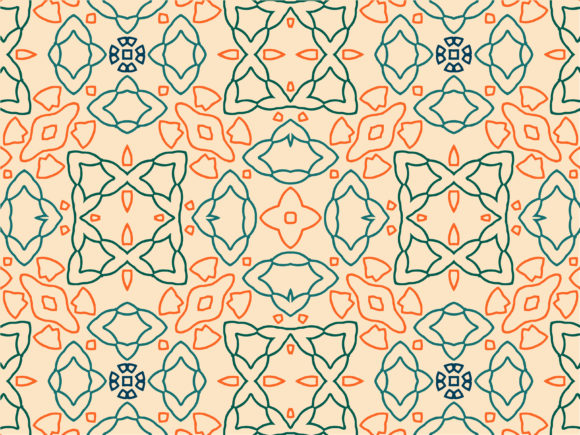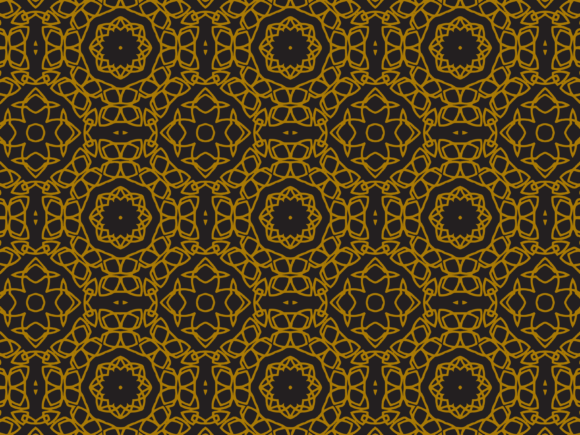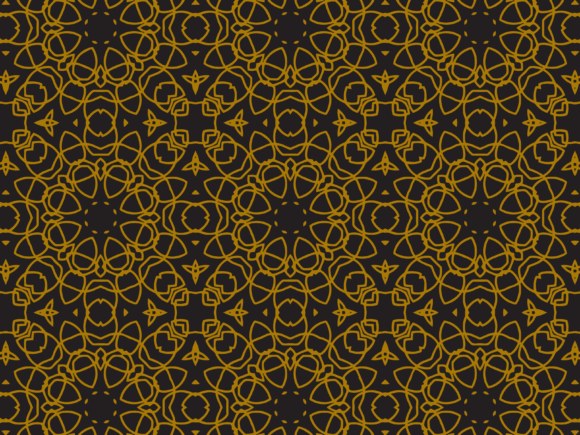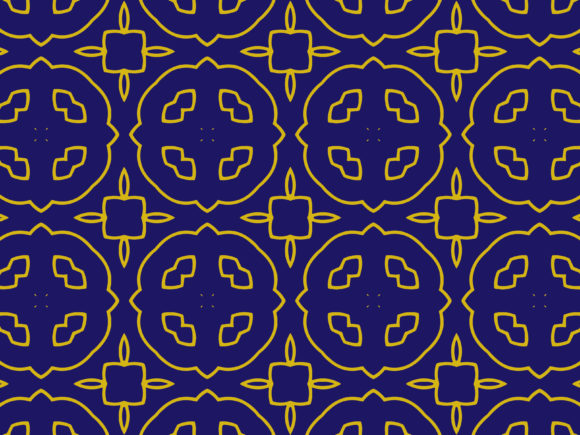
Pattern Colour Ornament Design: A Versatile Tool for Creative and Decorative Applications
Pattern Colour Ornament Design is a powerful approach that blends color theory, geometric shapes, and decorative elements to create visually engaging designs. This design method is widely used in various fields such as interior decoration, graphic design, textile manufacturing, and digital art. Whether you're creating wallpaper, background illustrations, or fabric patterns, understanding the principles of Pattern Colour Ornament Design can significantly enhance your creative output.
Understanding Pattern Colour Ornament Design
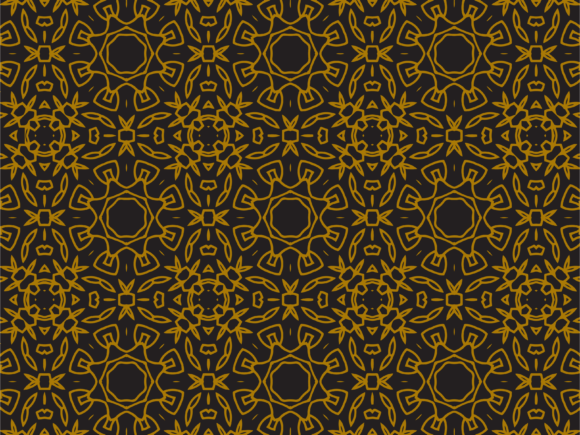
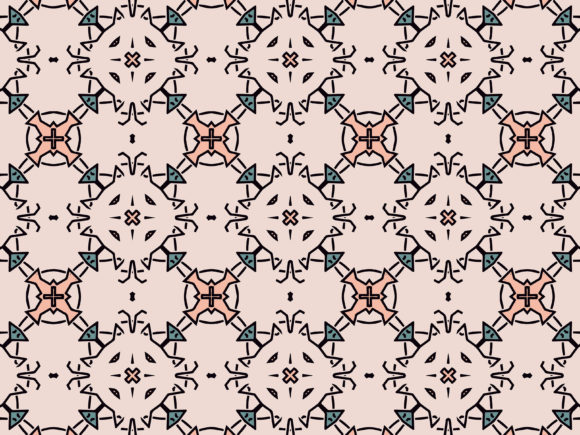
At its core, Pattern Colour Ornament Design involves combining colors, shapes, and textures to form cohesive and aesthetically pleasing patterns. These designs are often seamless, meaning they can be repeated without visible seams, making them ideal for large-scale applications like wallpapers and fabrics.
The use of geometric shapes adds structure and order to the design, while the choice of color influences the mood and perception of the space or product. Ornamental elements, such as floral motifs or abstract symbols, add visual interest and personality to the pattern.
Applications of Pattern Colour Ornament Design
Pattern Colour Ornament Design finds application in numerous areas:
- Wallpaper Design: Seamless and repeating patterns are essential for covering large wall surfaces without distortion.
- Background Illustrations: Used in web design, mobile apps, and digital media to create visually appealing interfaces.
- Fabric Patterns: Applied to textiles for clothing, home furnishings, and accessories.
- Graphic Design: Utilized in branding, packaging, and promotional materials to convey a specific aesthetic.
Each of these applications requires careful consideration of the design elements to ensure compatibility with the intended medium and purpose.
Integrating Pattern Colour Ornament Design into Your Workflow
Incorporating Pattern Colour Ornament Design into your creative workflow involves several steps. First, define the purpose of the design—whether it's for a specific project, brand identity, or personal use. Next, choose the right tools and resources. Vector illustration software like Adobe Illustrator or free alternatives such as Inkscape can help create scalable and editable designs.
When working on a wallpaper design, consider the size and resolution required. High-resolution files ensure clarity when printed or displayed digitally. For seamless patterns, using tools that allow for tile repetition can save time and effort during the design process.
Choosing the Right File Formats
The downloadable files provided—EPS, SVG, PNG, and JPG—are each suited for different purposes:
- EPS (Encapsulated PostScript): Ideal for print production due to its vector-based format, which maintains quality at any size.
- SVG (Scalable Vector Graphics): Perfect for web use, as it allows for scalability without loss of quality.
- PNG (Portable Network Graphics): Best for digital use where transparency is needed, such as website backgrounds or app icons.
- JPG/JPEG (Joint Photographic Experts Group): Suitable for photographs and complex images where file size is a concern.
Understanding the strengths of each format helps in selecting the most appropriate one based on the final application of the design.
Practical Implementation Tips
To make the most of Pattern Colour Ornament Design, consider the following tips:
- Plan Ahead: Define the color palette, shape selection, and overall theme before starting the design process.
- Test Compatibility: Ensure that the chosen design works well with the intended surface or medium, whether it's fabric, paper, or digital screens.
- Maintain Consistency: Keep the design elements consistent throughout the pattern to avoid visual clutter or confusion.
- Optimize for Use: Adjust the design for different resolutions and sizes to ensure it looks good across all platforms and devices.
These considerations help in creating a versatile and adaptable design that meets the needs of various applications.
Workflow Examples
Consider a scenario where a designer is creating a wallpaper for a client. The first step would be to understand the client's preferences and the room's characteristics. Based on this information, the designer selects a suitable color scheme and ornamental elements. Using vector software, the designer creates a seamless pattern that can be repeated without visible seams.
Once the design is complete, it is exported in multiple formats—EPS for printing, SVG for web use, PNG for transparent overlays, and JPG for general digital use. The final step involves reviewing the design for quality and ensuring it aligns with the client's expectations.
Long-Term Use and Quality Control
Ensuring the longevity and quality of Pattern Colour Ornament Design involves regular updates and revisions. As trends evolve, updating the design elements can keep the pattern relevant and appealing. Maintaining a library of past designs also helps in referencing previous work and avoiding duplication.
Quality control is essential to ensure that the design meets the desired standards. This includes checking for consistency, accuracy, and compatibility with different mediums. Regular reviews and feedback from users or clients can provide valuable insights for improvement.
Conclusion
Pattern Colour Ornament Design is a versatile and effective method for creating visually appealing patterns used in various industries. By understanding the principles and practical implementation tips, designers and creators can integrate this approach seamlessly into their workflows. Whether for wallpaper, fabric, or digital illustrations, the right combination of color, shape, and ornamentation can elevate the overall aesthetic and functionality of the design.