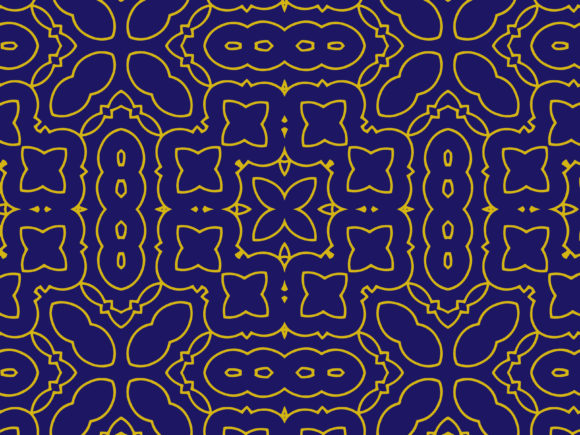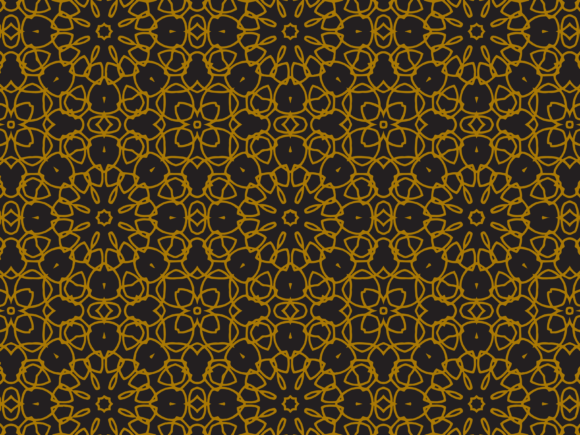
Pattern Simmetry Islamic Illustration: A Timeless Design for Modern Applications
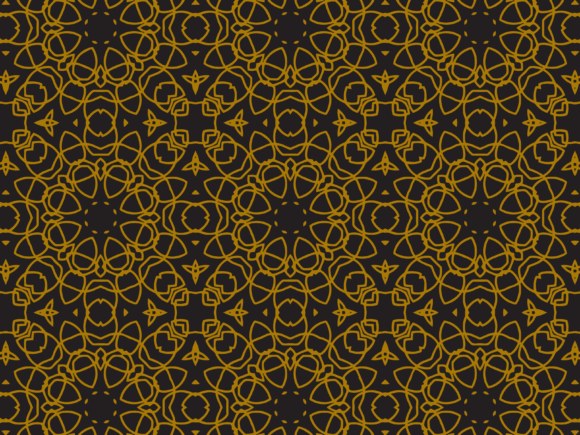
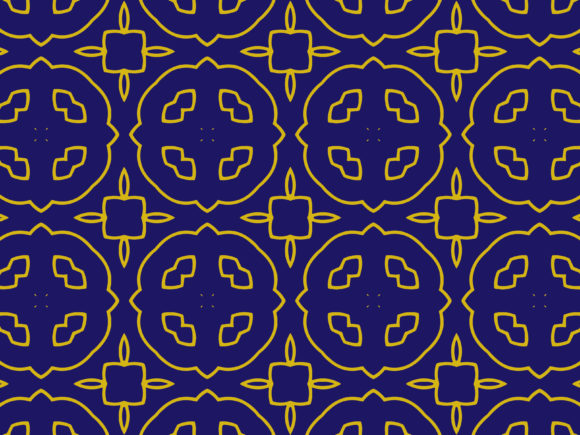
Pattern Simmetry Islamic Illustration represents a unique blend of geometric precision and artistic expression rooted in centuries-old Islamic design traditions. This style is characterized by its intricate symmetry, repetitive motifs, and elegant balance—elements that have made it a popular choice for backgrounds, decor, and wallpaper designs. Whether used in digital or physical formats, Pattern Simmetry Islamic Illustration offers a visually appealing and culturally rich option for those seeking to incorporate traditional aesthetics into contemporary spaces.
What Makes Pattern Simmetry Islamic Illustration Distinct?
At its core, Pattern Simmetry Islamic Illustration is defined by the use of geometric shapes, interlacing lines, and symmetrical arrangements. These patterns often feature recurring elements such as stars, hexagons, and floral motifs, all arranged with mathematical precision. The emphasis on symmetry not only creates visual harmony but also reflects the Islamic cultural value of order and balance.
Unlike purely decorative styles, Pattern Simmetry Islamic Illustration is deeply tied to religious and historical contexts. It has been used in mosques, manuscripts, and architectural elements across the Middle East, North Africa, and South Asia. This connection to tradition adds a layer of meaning and depth to the design, making it more than just an aesthetic choice—it becomes a form of cultural storytelling.
One of the key features of this style is its seamless repetition. When applied to backgrounds or wallpapers, the pattern continues without interruption, creating a cohesive and immersive visual experience. This makes it particularly suitable for large surfaces where continuity is essential.
Comparing Pattern Simmetry Islamic Illustration with Similar Styles
While Pattern Simmetry Islamic Illustration has its own unique characteristics, it shares similarities with other traditional and modern design styles. Understanding these parallels can help users make informed decisions about which style best suits their needs.
Geometric Art: Like Pattern Simmetry Islamic Illustration, geometric art relies heavily on shapes and lines. However, geometric art often lacks the cultural and symbolic depth found in Islamic patterns. While both styles are visually striking, Islamic illustration carries a richer historical context.
Mosaic Design: Mosaic art, especially in Moroccan and Eastern styles, frequently uses small tiles to create intricate images. Pattern Simmetry Islamic Illustration, on the other hand, focuses more on continuous, repeating patterns rather than singular images. Both styles emphasize detail and craftsmanship, but they serve different purposes in design.
Abstract Decor: Abstract designs can be highly versatile, allowing for greater creative freedom. Pattern Simmetry Islamic Illustration, while abstract in nature, follows specific rules and structures. This structured approach may appeal to those who appreciate order and consistency in design, whereas abstract decor might be better suited for more experimental applications.
When Is Pattern Simmetry Islamic Illustration the Right Choice?
Pattern Simmetry Islamic Illustration is ideal for a variety of applications, particularly where elegance, symmetry, and cultural significance are important considerations. Here are some scenarios where this style excels:
- Wallpaper and Backgrounds: The seamless and continuous nature of the pattern makes it perfect for large-scale applications like wallpapers, digital backgrounds, and murals.
- Decor and Interior Design: From cushions to rugs, Islamic patterns add a touch of sophistication and cultural richness to any space.
- Religious and Cultural Events: During Ramadan, Eid, or other Islamic celebrations, incorporating this design can enhance the ambiance and reflect the occasion's significance.
- Graphic Design and Branding: For businesses or individuals looking to convey a sense of tradition, heritage, or spirituality, Islamic patterns offer a distinctive visual identity.
However, there are situations where this style may not be the most appropriate choice. For example, if a design requires a high degree of personalization or dynamic movement, Pattern Simmetry Islamic Illustration may feel too rigid or static. In such cases, alternative styles that allow for more variation and flexibility could be more effective.
Strengths and Tradeoffs of Pattern Simmetry Islamic Illustration
Like any design style, Pattern Simmetry Islamic Illustration has its advantages and limitations. Understanding these can help users determine whether it aligns with their goals and preferences.
Strengths:
- Cultural Depth: Rooted in Islamic history and art, this style offers a meaningful and authentic aesthetic.
- Visual Harmony: The emphasis on symmetry and balance creates a calming and aesthetically pleasing effect.
- Versatility: Suitable for both traditional and modern settings, from religious spaces to contemporary interiors.
- Seamless Repetition: Ideal for large areas where continuity is important, such as walls or digital backgrounds.
Tradeoffs:
- Limited Personalization: Due to its structured nature, customization options may be limited compared to more freeform styles.
- Complexity: The intricate details can be overwhelming in certain contexts, requiring careful consideration of scale and placement.
- Cultural Sensitivity: Users should be mindful of the cultural significance of the design and ensure it is used respectfully and appropriately.
Practical Applications and Examples
Pattern Simmetry Islamic Illustration finds application in a wide range of fields, from home decor to digital media. Here are a few practical examples of how this style can be used effectively:
Home Decor: Islamic patterns are commonly used in textiles, such as curtains, cushions, and carpets. Their repetitive nature allows them to blend seamlessly into a room while adding visual interest and cultural flair.
Digital Media: Websites, apps, and social media platforms often use Islamic patterns as background elements. These designs can enhance the user experience by creating a sense of calm and sophistication.
Architecture: Mosques, palaces, and other historically significant buildings frequently feature Islamic geometric patterns. Modern architects sometimes incorporate these designs into contemporary structures to evoke a sense of tradition and grandeur.
Art and Craft: Artists and designers use Pattern Simmetry Islamic Illustration as inspiration for paintings, prints, and handmade crafts. The style’s complexity and beauty make it a popular subject for both traditional and modern artists.
Choosing Between Pattern Simmetry Islamic Illustration and Alternatives
When deciding between Pattern Simmetry Islamic Illustration and other design styles, it's important to consider the intended use, audience, and overall aesthetic goals. For instance, if the goal is to create a modern, minimalist look, a simpler geometric pattern might be more appropriate. On the other hand, if the aim is to convey cultural significance and visual richness, Islamic patterns would be an excellent choice.
Users should also think about the context in which the design will be used. In religious or cultural settings, Islamic patterns can add authenticity and reverence. In commercial or secular environments, they can provide a unique and sophisticated visual identity.
Ultimately, the decision comes down to personal preference, project requirements, and the desired outcome. By understanding the strengths and limitations of Pattern Simmetry Islamic Illustration, users can make more informed choices that align with their needs and values.