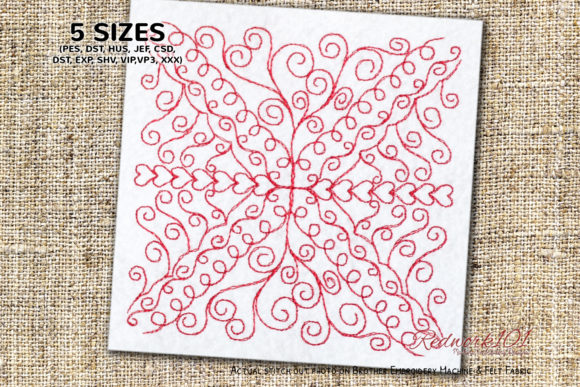
Decorative Pattern: A Visual Statement in Design
Decorative patterns have long been a cornerstone of visual storytelling, offering a way to infuse creativity and personality into any design project. Whether it's the intricate swirls of an ornate border or the bold geometry of a modern motif, decorative patterns add depth, texture, and emotional resonance. Among these, Decorative Pattern Embroidery Design stands out for its versatility and aesthetic appeal, especially when incorporating techniques like the Box Stitch. This article explores how to effectively use Decorative Pattern in your creative work, from embroidery to branding, ensuring it aligns with your project’s goals and audience.
The Visual Language of Decorative Pattern
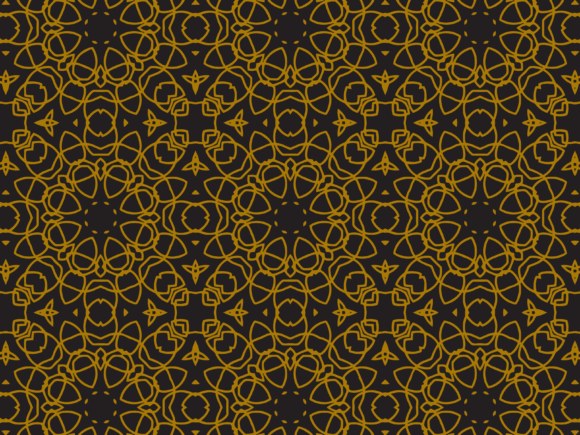
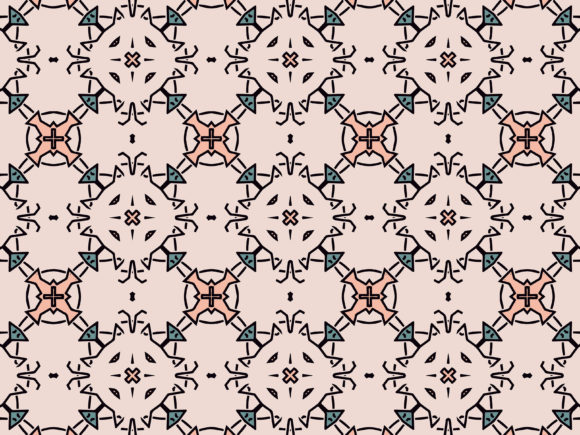
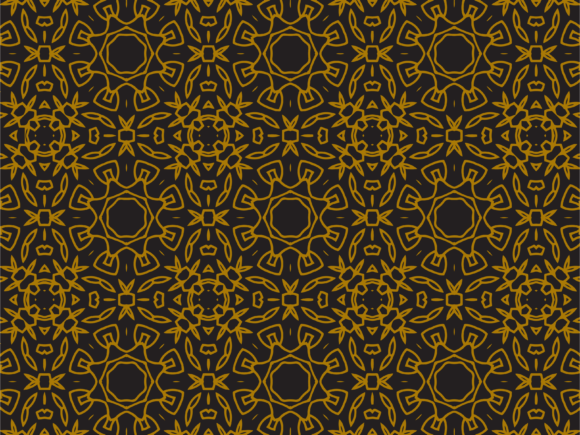
At its core, Decorative Pattern is more than just a collection of shapes—it’s a visual language that communicates mood, culture, and style. These patterns often feature repeating elements such as floral motifs, geometric lines, or abstract forms. They can be subtle, blending into the background, or they can take center stage, drawing attention with their complexity and detail.
One of the most appealing aspects of Decorative Pattern is its ability to reflect personality. A delicate lace-like pattern might convey elegance and refinement, while a bold, graphic design could suggest energy and innovation. The choice of pattern can influence how a brand is perceived, making it a powerful tool in visual communication.
Color and Composition in Decorative Pattern
When working with Decorative Pattern, color plays a crucial role. In many designs, the outer Box of the pattern may be in a different color to create contrast or highlight specific elements. However, if the Box isn’t integral to the overall look, you can easily skip it by adjusting your machine settings during the embroidery process. This flexibility allows for customization that fits the project’s needs without compromising the integrity of the design.
Composition is equally important. A well-balanced Decorative Pattern should guide the viewer’s eye through the piece, whether it’s on fabric, paper, or digital media. Thoughtful placement of elements ensures that the pattern enhances rather than distracts from the main message or image.
Where Decorative Pattern Works Best
Decorative Pattern finds its home in a wide range of creative fields. From logo design to packaging design, it adds a layer of sophistication and uniqueness. In web design and social media graphics, it can help break up text-heavy content and make visuals more engaging. For branding and marketing materials, it supports brand identity by reinforcing visual consistency across all touchpoints.
In editorial design, Decorative Pattern can elevate the look of magazines, books, and newsletters by adding visual interest to headers, borders, and illustrations. It also works well in print design, where tactile elements like embossing or foil stamping can enhance the pattern’s presence.
Choosing the Right Decorative Pattern for Your Project
Selecting the right Decorative Pattern involves considering several factors. First, think about the project’s purpose. Is it meant to grab attention immediately, or does it need to support a more subtle message? Next, consider the audience. A pattern that appeals to a young, trendy demographic may not resonate with a more traditional group.
Evaluating font pairings (if applicable) is also essential. While Decorative Pattern itself isn’t a font, it often interacts with typography. Pairing it with a clean, modern typeface can create balance, while using a similar decorative font might overwhelm the design.
Don’t forget to review the readability of the overall composition. Even the most beautiful pattern can become distracting if it interferes with the message. Test different variations and ensure that the pattern complements rather than competes with other design elements.
Practical Tips for Using Decorative Pattern
When incorporating Decorative Pattern into your projects, start with a clear vision. Sketch out ideas or gather inspiration from existing designs. Experiment with different scales and placements to see what works best. Remember, less is sometimes more—too much pattern can feel cluttered and unprofessional.
If you’re using embroidery software, take advantage of features that allow you to adjust colors and skip elements like the Box Stitch if needed. This gives you greater control over the final output and helps maintain the quality of your design.
For commercial use, always check licensing agreements. Many premium fonts and design assets require proper commercial licensing to ensure legal compliance. Investing in high-quality, licensed resources not only protects you legally but also ensures that your work maintains a professional standard.
Finally, don’t be afraid to experiment. Decorative Pattern offers endless possibilities, and the best results often come from combining creativity with practicality. Whether you're designing a logo, packaging, or social media post, let the pattern enhance your message without overshadowing it.